

Inclusion of persons with disabilities is a key global priority.
The World Health Organization (WHO) estimates that 16% of the global population lives with disabilities, with 15–20% being neurodivergent. Despite this, access to education and employment remains limited, children with disabilities are 50% more likely to never attend school and 2–3 times more likely to drop out.
In India, challenges are deeper. While official data reports 3% disability prevalence, underreporting is likely. Only 19% pursue education beyond secondary level, labour force participation is about 24%, and corporate representation remains below 1%.
Achieving Viksit Bharat 2047 requires stronger inclusive systems in education, skills, and employment.
Abstract Submission
Full Paper Submission
Conference Dates
5th April 2026
20th April 2026
2nd - 3rd May 2026
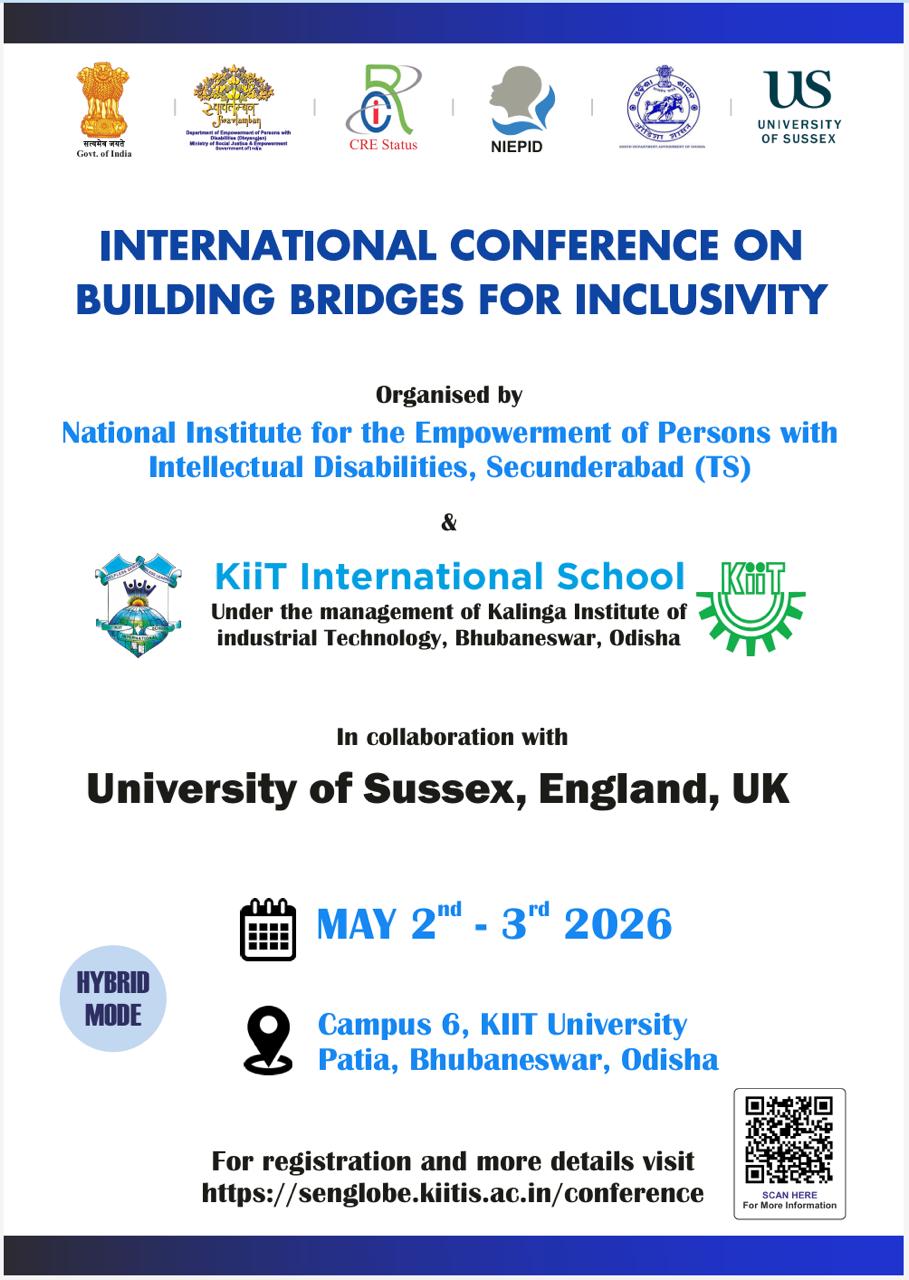
The International Conference on Building Bridges for Inclusivity (ICBBI 2026) is a global platform dedicated to advancing inclusive practices across education, rehabilitation, and employment ecosystems. The conference brings together educators, rehabilitation professionals, researchers, policymakers, industry leaders, and community stakeholders to drive meaningful dialogue and collaboration.
Despite progressive policies, significant gaps persist, particularly in countries like India, where educational attainment and workforce participation among persons with disabilities remain disproportionately low. These disparities are further shaped by socio-economic barriers, gender inequities, and limited access to inclusive infrastructure and services. At the same time, rapidly evolving educational models, technological innovation, and shifting labour markets demand continuous upskilling, research, and policy reform.
ICBBI 2026 is designed as a high-impact knowledge and collaboration hub- bridging research, policy, and practice while centering lived experiences.
National Institute for the Empowerment of Persons with Intellectual Disabilities (Formerly National Institute for the Mentally Handicapped -NIMH) established in the year 1984 at Manovikasnagar,Secunderabad (TS) is an Autonomous Body under the administrative control of the Department of Empowerment of Persons with Disabilities (Divyangjan), Ministry of Social Justice & Empowerment, Government of India. NIEPID is dedicated to providing quality services to Persons with Intellectual Disabilities (Divyangjan) in the National interest. The training programmes are offered on a gradual scale from certificate - diploma - undergraduate - graduate - postgraduate - Masters Levels. Presently, the Institute conducts 2 Certificate Course, 3 Diploma Courses (D.Ed SE (IDD), DVR, DISLI and DECSE). Further, two Graduate course (B.Ed Spl. Ed (ID) and ISITEP (ID) @ middle Stage), one Post-graduate Diploma course (PGDEI) and one Master course (M.Ed Spl. Ed) and one M.Phil (Rehabilitation Psychology) level course are in affiliation with different universities.
The institute conducts International and National level Conference / Seminars / Workshops on persons with intellectual disabilities (Divyangjan) in partnership with leading voluntary organisations and parent associations. The services to be provided at our centre include identification, screening, assessment, delivery of services, training of local resource persons, and supply of training material to the needy persons. The institute focuses on quality in every aspect of its functioning to bring equality and dignity to the lives of Persons with Intellectual Disabilities (Divyangjan),which is endorsed by ISO 9001:2015 certification.
KIIT International School is committed to nurturing young learners by instilling positive thinking, a strong drive for knowledge, and the ability to act with efficiency and purpose. The school encourages students to develop a global perspective, intellectual curiosity, and creative thinking, enabling them to grow into confident and responsible individuals.
The academic curriculum has been carefully designed by benchmarking best practices from leading institutions around the world, ensuring that students receive a progressive and globally relevant education. Through a strong emphasis on values-based learning, the school aims to shape students into critical thinkers, responsible citizens, and future leaders. Over the past 15 years, KIIT International School has rapidly established itself as one of the most respected educational institutions in Odisha. According to the Education Today Indian School Rankings (2021), the school was placed among the Top 10 Residential Schools in India and ranked No. 1 in Odisha. The Special Education Needs (SEN) Globe, the inclusive education division of KIIT International School in Bhubaneswar, supports over 250 neurodivergent students with conditions such as Autism Spectrum Disorder (ASD), Intellectual and Developmental Disabilities (IDD), Attention Deficit Hyperactivity Disorder (ADHD), Down Syndrome, learning disabilities, and Cerebral Palsy. SEN Globe provides specialized interventions, individualized learning approaches, and a nurturing environment built on empathy and encouragement. The department is supported by a dedicated multidisciplinary team of more than 140 special educators and 40 therapists, specializing in speech therapy, occupational therapy, cognitive therapy, and behavioural interventions. In addition, the team includes nutritionists, psychologists, and clinical psychologists, all working collaboratively to support the holistic development of each child. United by a shared commitment, the SEN Globe team strives to uphold the rights, dignity, and potential of every child, ensuring access to equitable education and meaningful opportunities for growth
The University of Sussex is a leading higher education and research institution near Brighton, in the south of England. Sussex was the first of the new wave of UK universities founded in the 1960s, receiving its Royal Charter in 1961. The University of Sussex, United Kingdom, was chosen as the academic partner for this conference in recognition of its internationally acknowledged leadership in inclusive education, disability studies, and social justice–orientated research. The University is globally known for its evidence-based approaches to inclusive pedagogy, universal design for learning, disability policy, and community-engaged research that bridges theory with practice. Through its Inclusive Sussex strategy, interdisciplinary research centres, and strong focus on equity and participation, the University of Sussex has consistently advanced rights-based frameworks for learners with disabilities and neurodivergent individuals. This collaboration brings global perspectives, research rigour, and comparative insights that will meaningfully enrich policy dialogue and practice in the Indian context, while strengthening the spirit of mutual learning envisioned under the India–UK Roadmap 2030. Through academic collaboration with the University of Sussex, UK, a globally recognised institution in inclusive education and disability research, the conference will facilitate:
The initiative also supports SDG 4 (Quality Education) and SDG 10 (Reduced Inequalities).

Deputy, Pro Vice Chancellor, University of Sussex
Does Differentiation Really Mean Different? Rethinking Inclusive Pedagogy
Broadcast Journalist | Co-Founder, Think Indic | Neurodiversity Advocate
Senior Associate Fellow (Disability Rights)at Vidhi Centre for Legal Policy
President, Down Syndrome Federation of India
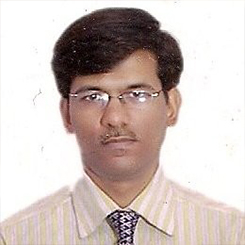
Head, DEGSN, NCERT, New Delhi
-
Equitable and Inclusive Education in India: Policy Guidelines and Frameworks

Advisor SAMVAD, Ex Child Psychologist & Professor, NIMHANS
-
Beading Safeguarding for Neurodivergent Children
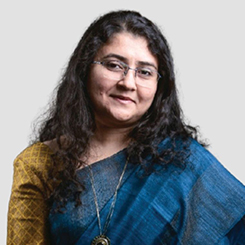
Head CSR Renewable & Trustees, TATA Power
-
E-Sanidhya for Supporting Neurodiversity Care Ecosystem
Prof & HOD, Psychiatry RML Hospital, New Delhi
-
Indian Satutory and Policy Landscape Supporting Inclusivity and Mental Health in Schools
Scientist F, CDAC Bangalore
-
E-Saadhya
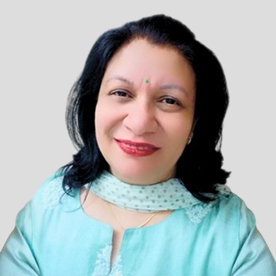
Associate Professor, Centre for Disability Studies, TISS Mumbai
-
Provision Related to Accessibility and Inclusion in Higher Education for Students with Disabilities
Associate Director, Strategic Partnership, Assistive Tech Foundation
-
Pathways with ATF Adidvara
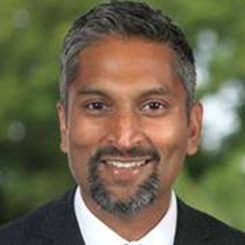
Head of Education, University of Sussex, UK
-
The opportunities and challenges of Ed Tech for Inclusive Practices
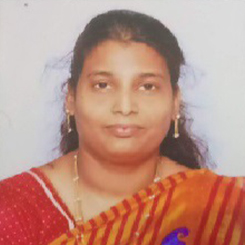
Associate Professor, Department of Education of Groups with Special Needs, NCERT
-
NCERT’s Roles and Initiatives in Advancing Inclusive Education in India
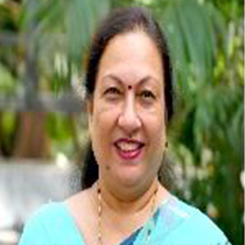
Former HOD, Department of Education, AYJNISHD, Mumbi
-
UDL for Facilitating Inclusive Education
.jpg)
Deputy Secretary, Department of School Education & Literacy, MoE, GOI
-
Need for Inclusion and way Forward
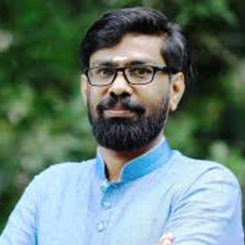
Lecturer, Dept of Special Education, NIEPID
-
Bridging Assessment and Diagnosis in Indian Classrooms
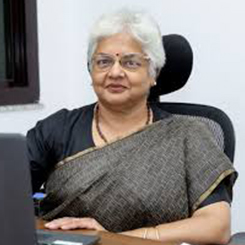
Former Professor & HOD , Department of Education, Lady Irwin College, University of Delhi
-
Pedagogy for Inclusive Education: Lesson learnt in teacher preparation, School and College Education
Charles Strut University, Australia
-
Inclusion Reimagined: Asset-Based Pathways for Higher Education Transformation
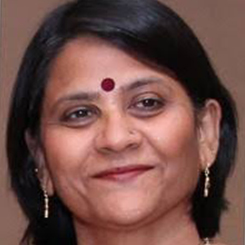
Associate Professor and Head Centre of Special Education, SNDT Women University
-
Reimagining the final years of schools as Vocational Incubators with UDT for Inclusive Workforce
Assistant Professor, Department of Special Education, NIEPID, Navi Mumbai
-
Building Bridges for Inclusivity of Persons with Disabilities through Indian Knowledge System
Speech-Language Pathologist & Audiologist, AIIMS Bhubaneswar
-
Use of Assistive Devices for Students with Speech Language Disabilities in Inclusive Classrooms
Deputy Secretary, SSEPD, Govt of Odisha
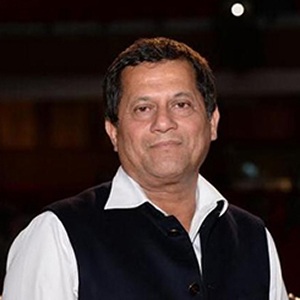
Founder, KIIT & KISS
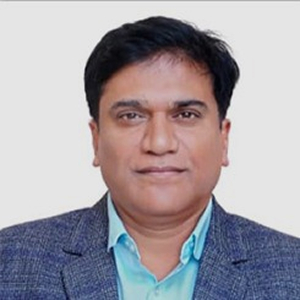
Director, NIEPID, Secunderabad

Chairperson, KiiT International School

Deputy Pro Vice Chancellor, University of Sussex
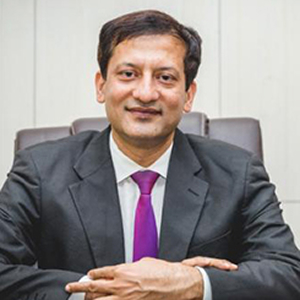
Director-Principal, KiiT International School
Faculty in Physiotherapy, NIEPID

HOD, Department of Sociology, Utkal University
Faculty in Special Education, NIEPID
Faculty in Special Education, NIEPID
Coordinator, SEN Globe, KiiTIS
Deputy Dean Humanities, KiiTIS
Supervisor SEN Globe, KiiTIS
Instructional Leader SEN Globe, KiiTIS
Psychologist, SEN Globe, KiiTIS
Faculty in Speech Language Pathologists, NIEPID
Exploring critical dimensions of inclusivity to shape a comprehensive framework for the future.


Participants are required to register by submitting a duly filled registration form via email, along with their research paper and registration fees through online transfer. A Google Form will be sent via email to all presenters for streamlined registration processing. Bank details will be provided upon receipt of the acceptance letter. e registration fee for the conference is
CATEGORY
NATIONAL
(INDIAN RUPEES)
INTERNATIONAL
(US Dollars)
Students/ Research Scholars
1500/- only
30$
Professionals
2500/- only
50$
CRE Participants
2500/- only
50$
Virtual Paper Presenters
500/- only
20$
Those who are Connuing Rehabilitaon Educaon (CRE) parcipants must also register in the RCI CRE calendar in addion to the conference registraon to ensure proper credit recognion.
Accommodation will be provided on a payment basis with single and shared arrangements, allocated on a first- come, first-served basis. Participants who require accommodations should contact the organising committee in advance. Limited seats are available for accommodation.
The Scientific Committee of International Conference on Building Bridges on Inclusivity 2026 invites abstracts for the International Conference on Building Bridges for Inclusivity, welcoming submissions from students and professionals across psychology, special education, occupational therapy, speech and language pathology, paediatrics, mental health and allied disciplines.
This theme looks at how poverty, migration, conflict, language differences, and lack of resources affect access to inclusive education across countries, especially in low- and middle-income regions
This theme explores how flexible curricula, Universal Design for Learning, teacher training, and culturally responsive teaching can support diverse learners in mainstream education systems worldwide.
This theme focuses on the limits of standardised testing, the use of alternative assessment methods, and how national and international evaluation systems can better support inclusive education.
This theme addresses mental health, emotional safety, trauma-informed teaching, safeguarding policies, and the ethical role of educational institutions in inclusive settings.
This theme examines how education systems prepare learners with disabilities for work, including career guidance, vocational training, and smooth transitions into the labour market.
This theme focuses on inclusive hiring practices, workplace adjustments, disability support at work, and creating positive organisational cultures.
This theme explores how businesses, industries, and public–private partnerships contribute to inclusive and sustainable employment opportunities.
This theme examines disability and employment policies, challenges in enforcement, coordination between sectors, and the gap between policy promises and real-life outcomes